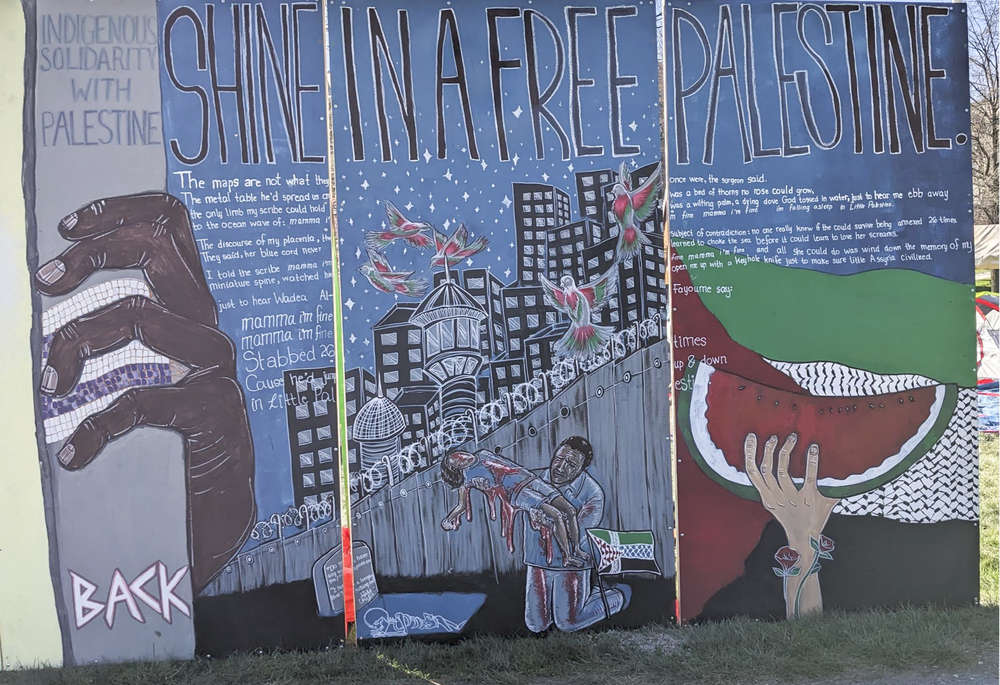
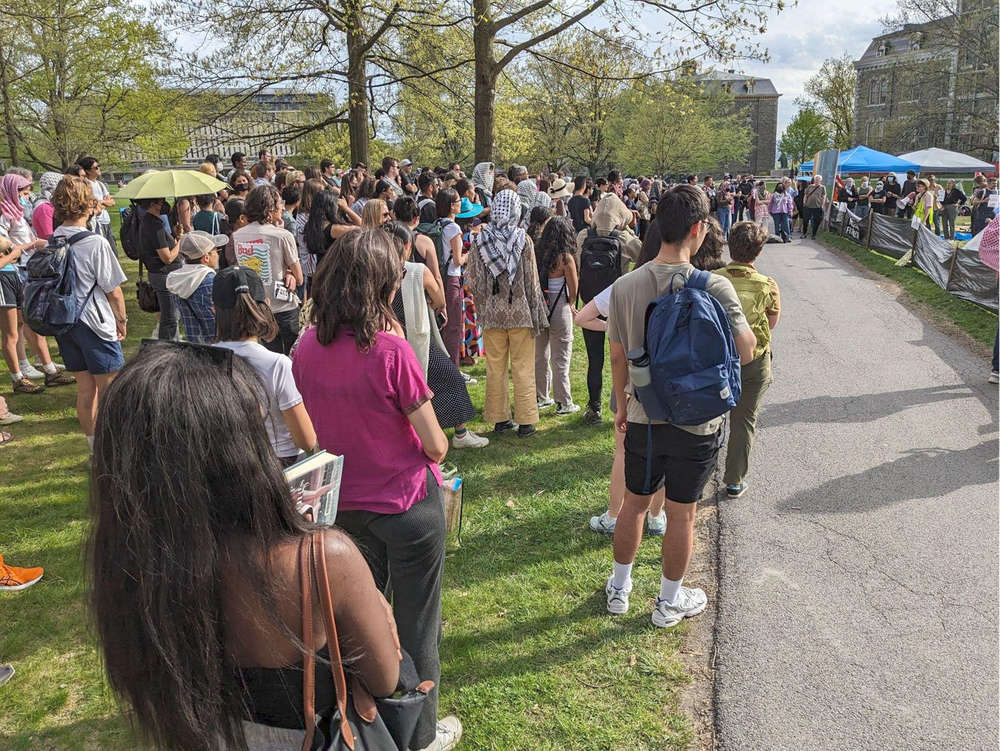
Excerpts from the introduction to Palestine – People, Land, and Solidarity:
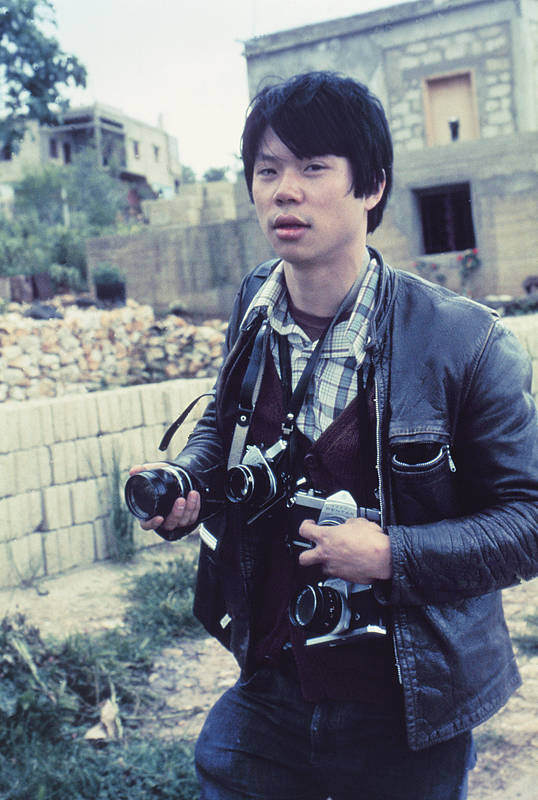
LiMin Taam
I recall, in 1967, I could not understand why a group of students at my D.C.-area high school were cheering the Israeli military’s conquests in Palestine. I felt I was different from the group.
In the spring of 1969, I arrived at Cornell as a high school visitor, in the midst of the student takeover of Willard Straight Hall. The experience was unforgettable. … A few months later, I began my studies as a 17-year-old engineering physics major. … I felt like a tiny minority as one of a very few Chinese Americans.
I joined protests against the U.S. war in Vietnam, and through them I came to understand the power of the student movement. Yet, as inspiring as the antiwar struggle was, I clearly recall when Cornell President Dale Corson issued a statement of campus-wide sympathy for Israel in the wake of the 1972 Olympics. He said nothing of the ongoing trauma that Israel was inflicting on Palestinians. That silence ― the dehumanization of the Palestinian people ― resonated deeply with something personal in my own life.
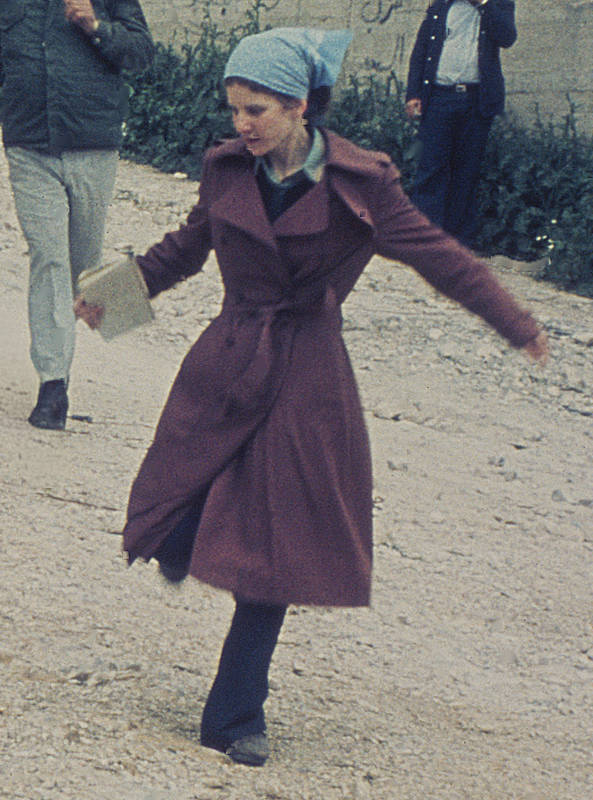
Barbara Lou Taam
… I was very active in the movement at Cornell against the U.S. war on Vietnam. In 1972, a couple hundred of us occupied Carpenter Hall, on the engineering quad, for five days. We demanded that Cornell abolish ROTC and end all Defense Department research on campus; … and sell its stock shares in Gulf, then extracting oil from Angola. …
While a student, I joined LiMin at The Rest of the News, a weekly radio show that the antiwar movement pushed the Cornell radio station to air. Decades before I learned the term, it was like a podcast. …
In February 1973, I traveled with a grad student friend to Wounded Knee to report on the occupation of the village by local indigenous people and the American Indian Movement (AIM). We stayed for the duration of the occupation, sending out radio reports of our interviews with participants. They shared stories of their long history and most recent experiences of federally backed violence, land theft and intentional impoverishment of the Oglala Sioux, and encouraged us to take part in the community of resistance they built around them. The interviews grew into a book I co-authored called Voices from Wounded Knee, 1973: The People are Standing Up.
Our focus on Palestine
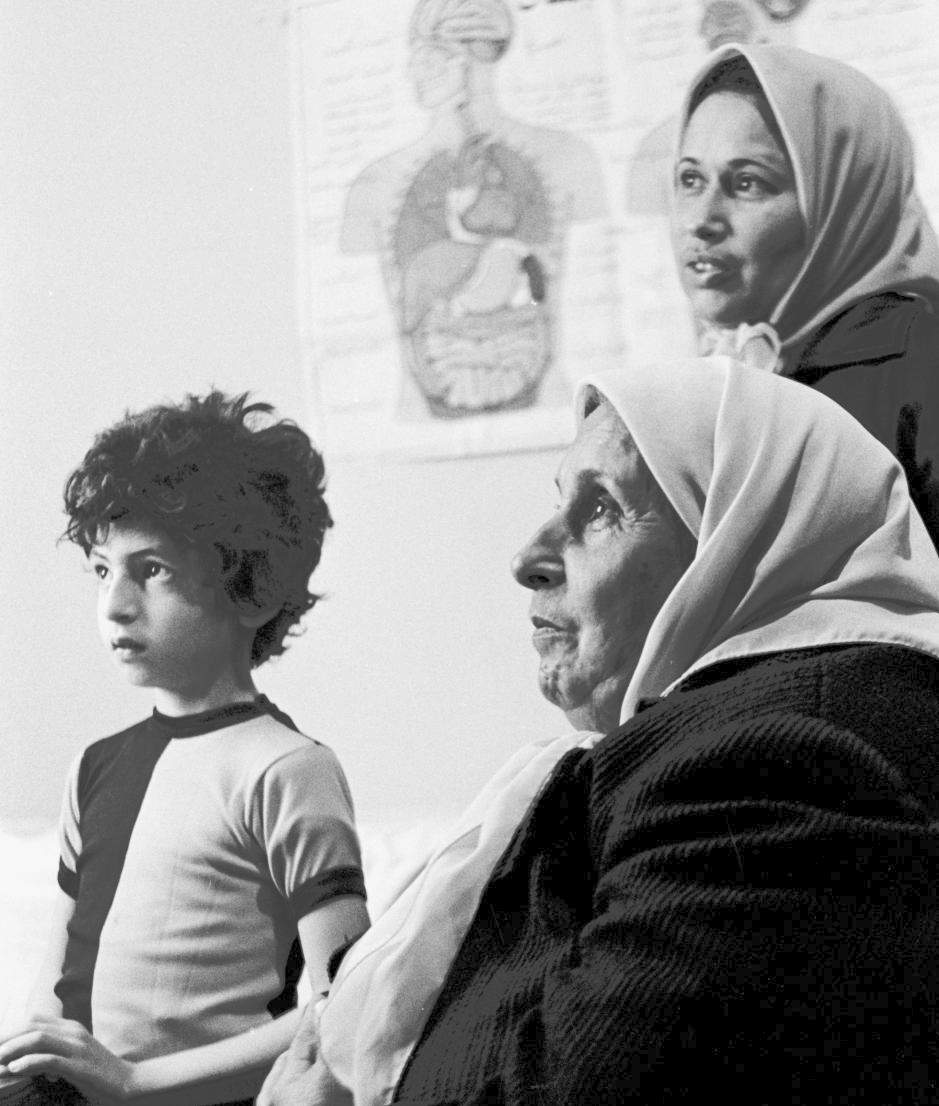
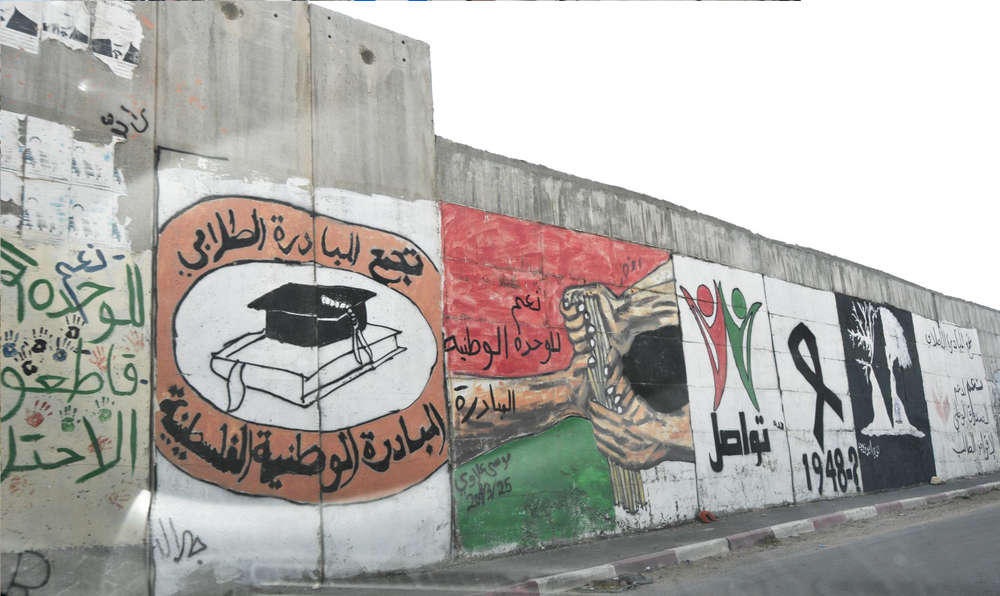
The two of us moved to New York City in the fall of 1974 to form the Rest of the News NYC bureau, just as delegates from what we then called Third World countries began arriving to address the UN General Assembly. We interviewed them and aired the programs. A turning point came when we had the opportunity to interview delegates of the Palestine Liberation Organization, which had just gained UN observer status, and learn more about Palestine.
We noticed that while everyone in our movement opposed the ongoing U.S. war on Vietnam, and supported other anti-colonial and anti-imperialist struggles, not everyone in our movement agreed on solidarity with Palestine. This intensified our conviction to focus on Palestine solidarity and channel our efforts into the struggle that some intentionally ignored.
We joined the Palestine Solidarity Committee NYC as early members. In 1975, we began work as a photographer and a writer for Liberation News Service, a media collective launched during the 1968 protests at Columbia University.
The Vietnamese and others had invited the global “movement” press to their countries, to share the stories and images of their struggles. And so did the Palestine Liberation Organization. The PLO invited us in 1977,… along with three other Americans.
As a group of five, we photographed, interviewed, reported from, and discussed our way throughout Palestine – including Jerusalem, Gaza, the West Bank, and the Galilee – and Lebanon, traveling overland through Syria and Jordan.
We returned to Palestine in 2009… By then, I (LiMin) had worked for decades in independent software innovation and engineering and was part of the breakthroughs in personal computing. I was eager to take the latest photographic technology to Palestine. In my bag of digital tools I packed a new GigaPan – a robotic mount for a camera with software that stiches together incredibly high-resolution panoramic photographs. With the new equipment in hand, we aimed to photographically capture and share with others the intensity and scale of the Israeli apartheid wall and settlements …
Solidarity here, today
… Today in Ithaca, we are amidst a Palestine solidarity movement on the Cornell University campus and in the community that did not exist our first time here. Cornell’s student body has changed dramatically, with Palestinian students, many international students, and children of recent immigrants. … Efforts to end the horrific Israeli genocide of Palestinians, to end the role of our governments and institutions as enablers of this genocide, and to take a stand in solidarity with Palestine are the central focus of a worldwide movement, including here.
As we look through our photographs and writing from 1977 onward, the collection reveals to us something more relevant and pressing than ever.
We would like to share it with you.